

I built this practice for people like me.
I was a self-aware, high-achieving overthinker long before I became a therapist, the kind of person who could pick apart a problem from every angle and still feel stuck in my own head. If that's you too, I get it. Therapy was what actually got me unstuck. It didn't just help me understand myself, it introduced me to myself, and it taught me how to build the life I actually wanted instead of the one I'd been running on autopilot. That's the real reason I do this work: I wanted to be able to offer someone else the thing that had been so transformative for me.
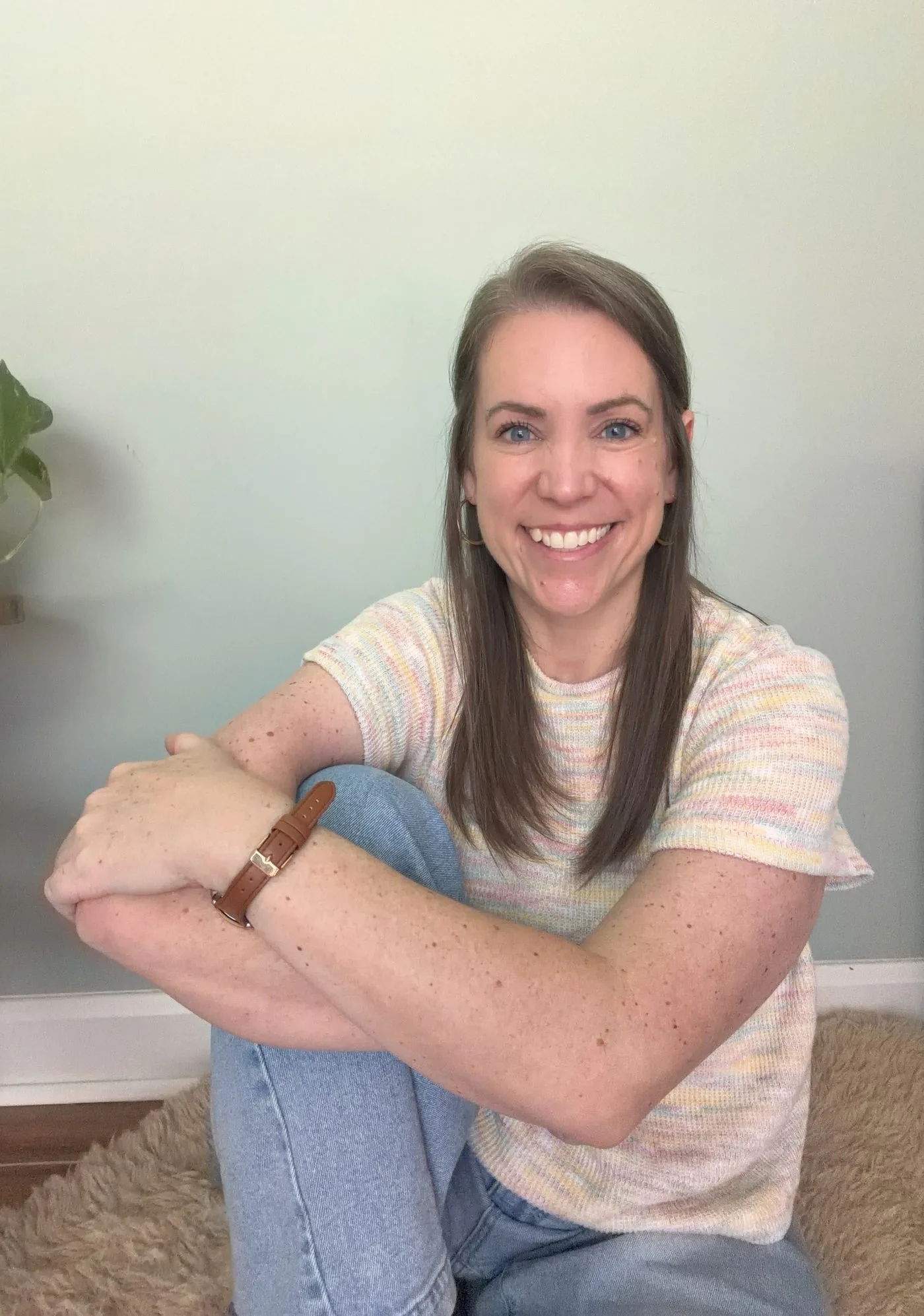
I'm a real person before I'm a therapist, so here's a few things about me that have nothing to do with therapy at all.
I have a graveyard of hobbies in my wake. My current interest depends entirely on what my ADHD hyperfocus has decided to love that month. I grew up as a musician and haven't touched an instrument in almost twenty years. I'm an audiobook junkie now. I don't listen to very much music, and I don't have a favorite band or a favorite song anymore, which is a strange place to land considering music was easily a defining feature of my first twenty years.
I deconstructed and reconstructed my whole life in my thirties. I didn't even start pursuing this career until I was 33. If you're in the middle of your own reinvention, wondering if it's too late to start over: it's not.
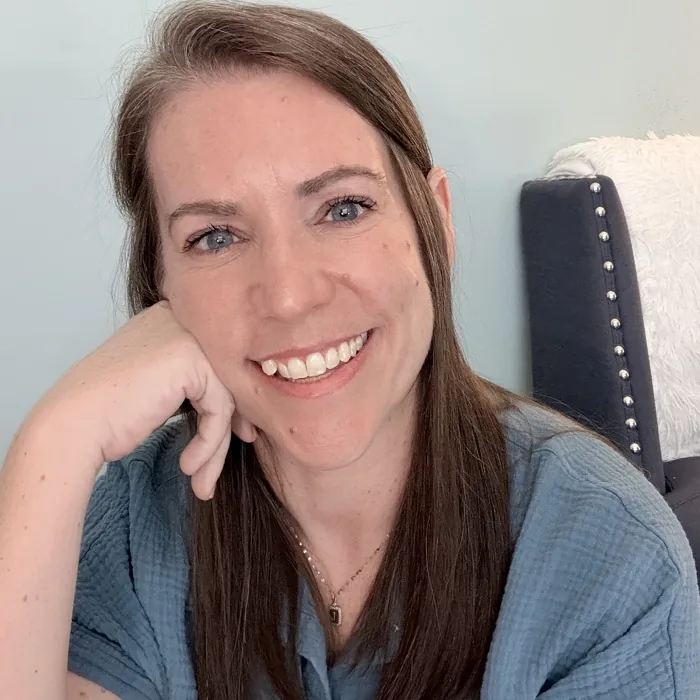
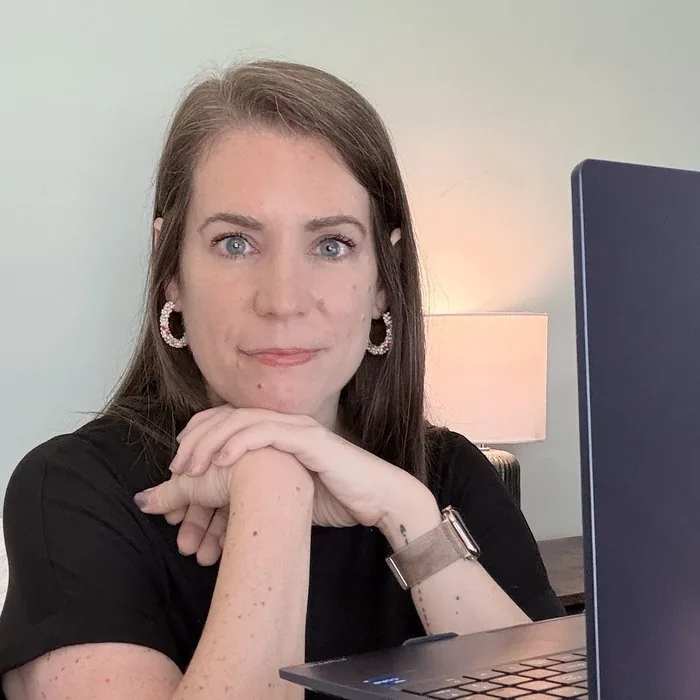
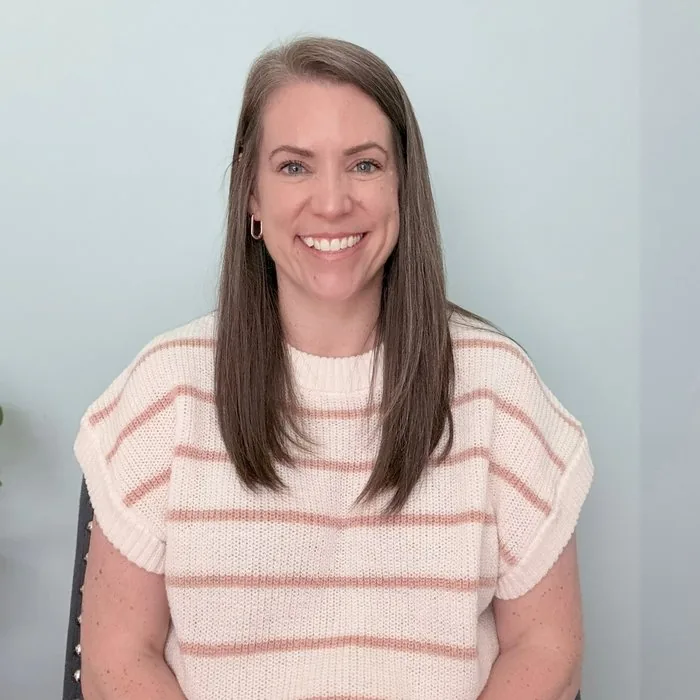 my approach



My practice is trauma-informed. That means I move at a pace that respects your nervous system. I won't push you to share anything you're not ready for.
But even once it feels safe enough to put all your cards on the table, talking about it isn't always enough to change it. Talk therapy tends to work at the level of the conscious brain, but a lot of what keeps people stuck lives deeper than that, in the subconscious and subcortical layers of the brain insight alone can't reach. That's why Brainspotting and IFS are central to how I work: they reach the parts of your experience that insight alone can't.
Being trauma-informed isn't only about pacing and safety as we discuss your personal history. It means paying attention to the systems you're carrying into the room with you.
That includes race. When you're a person of color looking for a therapist, it matters whether that therapist recognizes the impact of systems of oppression and inequity on your lived experience: in day-to-day existential anxiety, in generational trauma, and in the way it shapes your cultural experience.
It also includes queerness. I regularly work with queer clients, providing queer and gender-affirming care. Everyone deserves to live with safety, freedom, and dignity, to authentically show up in the world as their full self.
Licensed in Florida (#MH25402); registered to provide telehealth services to Delaware clients under Delaware's Mental Health Interstate Telehealth Registration.